
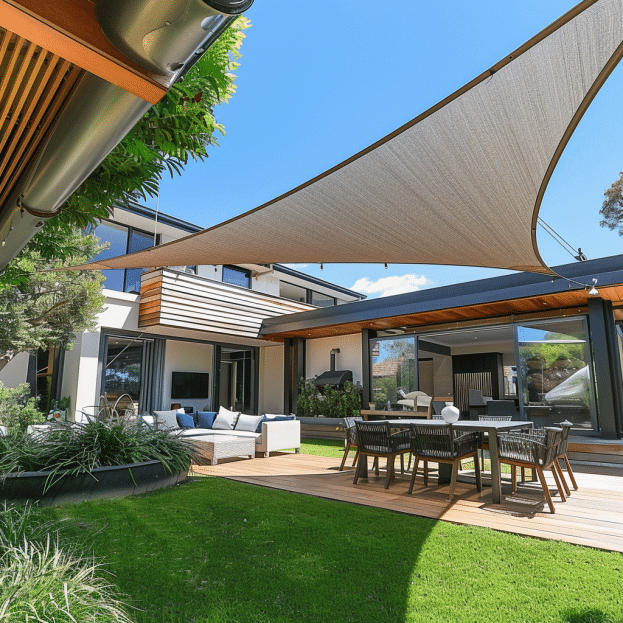
Benefits of Shade Cloth
Are you tired of sweltering under the relentless sun while trying to enjoy your outdoor spaces? Shade cloth is a versatile material that is used to provide protection from the sun’s harmful rays. It is made from a variety of materials, including polyethylene, vinyl, and polyester, and is available in different levels of shade, ranging from 30% to 90% blockage.
The way shade cloth works is by blocking a percentage of the sun’s rays from reaching the area it covers, thus reducing the temperature and providing a cooler, more comfortable environment. This makes it an ideal solution for outdoor spaces such as patios, gardens, and playgrounds, where people want to enjoy the outdoors without being exposed to the full force of the sun.
Shade cloth works by creating a barrier between the sun and the area it covers, effectively reducing the amount of heat and UV rays that penetrate through. This not only provides a more comfortable environment for people to enjoy, but also helps to protect them from the harmful effects of prolonged sun exposure.
Additionally, shade cloth can also help to protect plants from excessive heat and sun damage, making it an essential tool for gardeners and farmers alike. Overall, shade cloth is a simple yet effective solution for providing sun protection in outdoor spaces, making it a popular choice for both residential and commercial use.
Choosing the Right Shade Cloth: Factors to Consider
When choosing the right shade cloth for your needs, there are several factors to consider in order to ensure that you get the best possible coverage and protection. The first factor to consider is the level of shade that you require. Shade cloth is available in different levels of blockage, ranging from 30% to 90%, so it’s important to determine how much sun protection you need for your specific application. For example, if you want to create a fully shaded area, you would need a higher percentage of blockage, whereas if you just want to reduce the intensity of the sun without completely blocking it out, a lower percentage would suffice.
Another important factor to consider when choosing shade cloth is the material it is made from. Different materials offer different levels of durability and UV protection, so it’s important to choose a material that is suitable for your specific application. For example, if you are using shade cloth in a high-traffic area or in a location with harsh weather conditions, you would want to choose a more durable material such as vinyl or polyester.
On the other hand, if you are using shade cloth for temporary or seasonal use, a lighter material such as polyethylene may be more suitable. Additionally, consider the colour of the shade cloth as darker colours tend to provide better UV protection compared to lighter colours.
Maximizing Shade Cloth Effectiveness: Positioning and Angle
| Positioning | Angle | Effectiveness |
|---|---|---|
| Directly above the area to be shaded | 90 degrees | Provides maximum shade coverage |
| Positioned to the side of the area to be shaded | 45-60 degrees | Provides partial shade coverage |
| Positioned at a distance from the area to be shaded | 30 degrees or less | May not provide effective shade coverage |
In order to maximize the effectiveness of shade cloth, it’s important to consider its positioning and angle when installing it in outdoor spaces. The positioning of shade cloth can have a significant impact on its ability to provide shade and protection from the sun. For example, if you are using shade cloth to cover a patio or outdoor seating area, it’s important to position it in a way that provides maximum coverage during the times of day when the sun is at its strongest. This may involve adjusting the position of the shade cloth throughout the day to ensure that the area remains shaded and comfortable.
In addition to positioning, the angle at which shade cloth is installed can also affect its effectiveness in providing shade. Installing shade cloth at a slight angle can help to maximize coverage and provide better protection from the sun. This is especially important in areas where the sun’s angle changes throughout the day, as adjusting the angle of the shade cloth can help to ensure consistent coverage and protection.
Additionally, installing shade cloth at an angle can also help to improve airflow and ventilation in covered areas, making it a more comfortable environment for people to enjoy.
Maintaining Shade Cloth: Cleaning and Care Tips
Proper maintenance of shade cloth is essential to ensure its longevity and effectiveness in providing sun protection. One important aspect of maintaining shade cloth is regular cleaning to remove dirt, debris, and other contaminants that can accumulate on its surface. This can be done using a mild detergent and water solution, along with a soft brush or sponge to gently scrub the surface of the shade cloth. It’s important to avoid using harsh chemicals or abrasive materials when cleaning shade cloth, as this can damage the material and reduce its effectiveness.
In addition to regular cleaning, it’s also important to inspect shade cloth for any signs of wear or damage, such as tears, fraying, or stretching. If any damage is found, it should be repaired promptly to prevent further deterioration and ensure that the shade cloth continues to provide effective sun protection. This may involve patching tears or reinforcing weak areas with additional support.
Additionally, it’s important to remove shade cloth during periods of inclement weather, such as heavy rain or snow, to prevent damage and prolong its lifespan.
Alternative Uses for Shade Cloth: Beyond Sun Protection
While shade cloth is primarily used for providing sun protection in outdoor spaces, it also has a variety of alternative uses that make it a versatile and practical material for a range of applications. One alternative use for shade cloth is as a privacy screen or windbreak in outdoor areas such as patios or balconies. By installing shade cloth vertically instead of horizontally, it can create a barrier that provides privacy and blocks wind while still allowing airflow and light to pass through. This makes it an ideal solution for creating secluded outdoor spaces without completely blocking out the surrounding environment.
Another alternative use for shade cloth is as a protective cover for plants and crops in agricultural settings. Shade cloth can help to protect plants from excessive heat and sun exposure, as well as provide shelter from strong winds and pests. This makes it an essential tool for farmers and gardeners looking to protect their crops and ensure healthy growth. Additionally, shade cloth can also be used as a temporary cover for construction sites or outdoor events, providing shelter from the elements and creating a more comfortable environment for workers or attendees.
Conclusion
If you’re interested in learning more about shade cloth and its uses, you may want to check out this article on duranet.co.za. It provides information on shade sails and how they can be used to provide shade and protection for your outdoor spaces, and more.


