
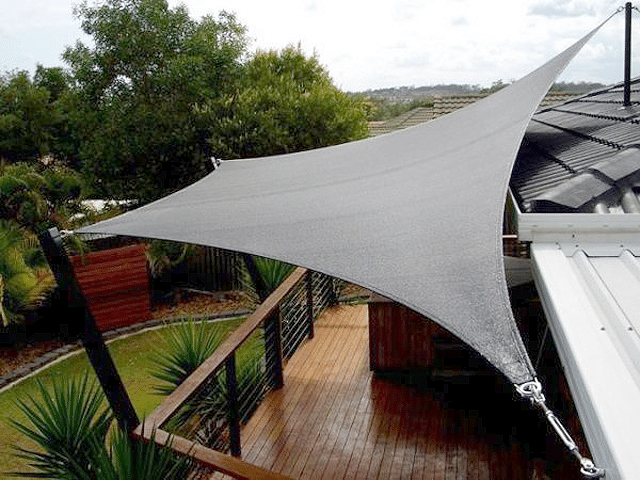
Shade sails are functional and aesthetically pleasing structures designed to provide protection from ultraviolet (UV) radiation and create comfortable outdoor environments. Constructed from high-quality, weather-resistant fabrics, these installations offer durability and long-term performance. Shade sails are available in various shapes, dimensions, and colors, making them suitable for both residential and commercial applications.
These versatile structures can be installed in numerous outdoor settings, including backyards, patios, playgrounds, and commercial properties. The specialized fabric used in shade sails effectively blocks UV rays while allowing air circulation, resulting in a cooler area beneath. This feature makes shade sails particularly beneficial in hot climates such as Pretoria, where sun exposure can be intense.
In addition to their practical benefits, shade sails contribute to the visual appeal of outdoor spaces. They can be customized to meet specific requirements and installed in diverse configurations, creating unique and attractive designs. Shade sails are adaptable for various purposes, including outdoor dining areas, children’s play spaces, or general relaxation zones.
Their modern appearance enhances the overall aesthetic of outdoor environments while providing essential sun protection.
Understanding Pretoria’s Climate
Protection from Harmful UV Rays
One of the primary advantages of shade sails is their ability to provide protection from the sun’s harmful UV rays. This is especially crucial in Pretoria, where prolonged exposure to the sun can lead to skin damage and other health issues.
Creating Comfortable Outdoor Spaces
By installing shade sails, you can create a safe and comfortable outdoor space where you can relax, entertain, or play without worrying about the sun’s harmful effects. Shade sails can reduce the temperature in outdoor areas, making them more enjoyable and inviting, even on the hottest days.
Additional Benefits of Shade Sails
Furthermore, shade sails can also protect outdoor furniture, equipment, and other items from sun damage, extending their lifespan and reducing maintenance costs. This makes them an ideal solution for outdoor dining areas, playgrounds, and other outdoor spaces where people gather and spend time.
Different Types of Shade Sails
There are several different types of shade sails available, each with its own unique features and benefits. The most common types of shade sails include triangular, square, and rectangular shapes. Triangular shade sails are versatile and can be installed in various configurations to create interesting and visually appealing designs.
Square shade sails are simple and practical, making them a popular choice for residential and commercial properties. Rectangular shade sails are ideal for covering larger areas and can be customized to fit specific dimensions. In addition to different shapes, shade sails also come in a variety of colors and fabric options.
The fabric used in shade sails is typically made from high-quality materials that are designed to withstand the elements and provide long-lasting protection from the sun. Some popular fabric options for shade sails include high-density polyethylene (HDPE) and polyester. These fabrics are durable, UV-resistant, and come in a range of colors to suit any outdoor space.
Whether you’re looking for a bold and vibrant shade sail to make a statement or a more neutral option to blend in with the surroundings, there are plenty of choices available to suit your preferences.
Installation Process of Shade Sails
The installation process of shade sails requires careful planning and attention to detail to ensure that they are installed correctly and securely. The first step in the installation process is to determine the location and layout of the shade sails. This involves measuring the area to be covered and deciding on the best configuration for the shade sails based on the available space and desired design.
Once the layout has been determined, the next step is to install anchor points, such as posts or existing structures, to support the shade sails. After the anchor points have been installed, the shade sails can be attached using tensioning hardware to ensure that they are securely in place. This involves carefully tensioning the fabric to create a taut and stable structure that will withstand wind and other elements.
It’s important to follow the manufacturer’s guidelines for tensioning the shade sails to ensure that they are installed correctly and provide effective protection from the sun. Once the shade sails have been installed, it’s important to regularly inspect them for any signs of wear or damage and make any necessary adjustments to maintain their integrity.
Maintenance and Care of Shade Sails
Proper maintenance and care are essential for ensuring that shade sails remain in good condition and provide effective protection from the sun. Regular cleaning is an important part of maintaining shade sails, as dirt, debris, and other contaminants can accumulate on the fabric over time. To clean shade sails, simply use a mild detergent and water to gently scrub the fabric, then rinse thoroughly with clean water.
Avoid using harsh chemicals or abrasive cleaners, as these can damage the fabric and reduce its effectiveness. In addition to regular cleaning, it’s important to inspect shade sails for any signs of wear or damage on a regular basis. Look for fraying edges, tears, or loose stitching, as these can compromise the integrity of the shade sails and reduce their effectiveness.
If any damage is found, it’s important to repair it promptly to prevent further deterioration. Finally, it’s important to remove shade sails during severe weather conditions, such as strong winds or heavy rain, to prevent damage and ensure their longevity.
Choosing the Right Shade Sails for Your Space
Measuring the Space
The first step is to measure the area to be covered by the shade sails. Take precise measurements to determine the dimensions and shape that will best suit your needs. Consider whether you want a single large shade sail or multiple smaller ones to cover different areas of your outdoor space.
Fabric Type and Color
Another crucial consideration is the fabric type and color. Look for high-quality fabrics that are UV-resistant, durable, and designed to withstand the elements. The color of the fabric is also important, as it can affect the overall aesthetic of your outdoor space. Choose a color that complements your existing decor or makes a statement, depending on your preferences.
Installation Options
Finally, consider the installation process. If you’re not experienced with installing shade sails, it may be best to hire a professional to ensure that they are installed correctly and securely. This will give you peace of mind and ensure that your shade sails provide the desired level of shade and protection for years to come.
Conclusion
If you’re interested in learning more about the benefits of shade cloth, check out this informative article on shadefix.co.za. It discusses the various uses and advantages of shade cloth, which can be a great addition to your outdoor space alongside shade sail


